Structural Inspections and Reports (good advice)
Category : Simple Design Services
The most common structural concerns this year, have been-
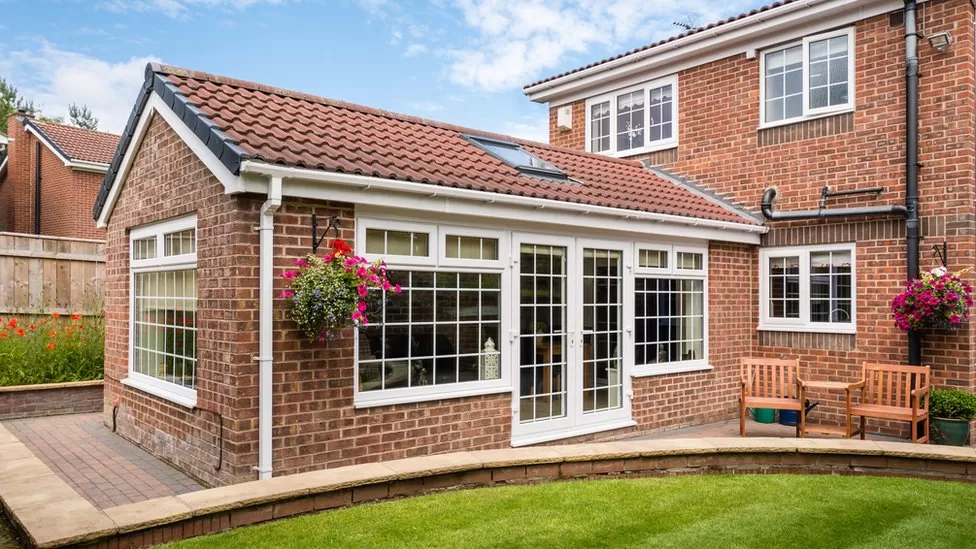
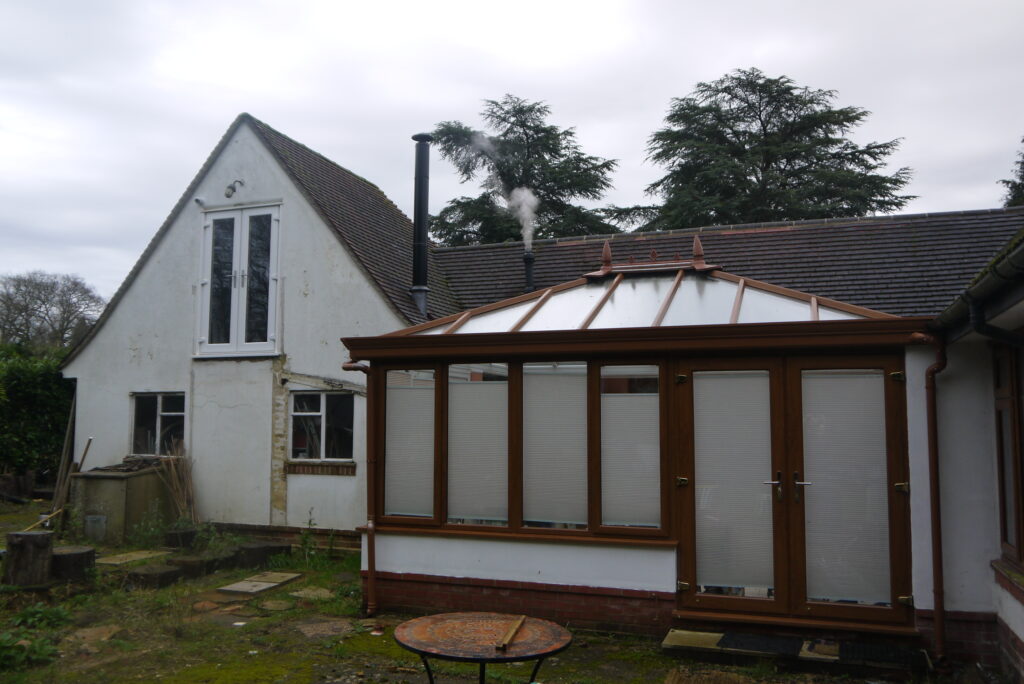
Cracking in the external wall between the original property and the extension – this can be related to how the extension has, or has not, been attached to the original property. There are some preferred methods for this, these being –
A toothed-in joint in the masonry brickwork walls.
A wall-starter kit, a metal bracket fixed to the wall.
A mortar joint or a fibreboard fill and mastic sealant
These are very different, for the first two the intention would be to ensure that the walls act together, since they are fixed, and I would suggest this is best. Remember also, that the concrete foundation beneath, for the extension, should preferably be at least as deep as the existing foundation and connected to it using steel dowel bars.
The third is not really recommended. Since, differential settlement, settlement between the newer extension against the existing, can occur.
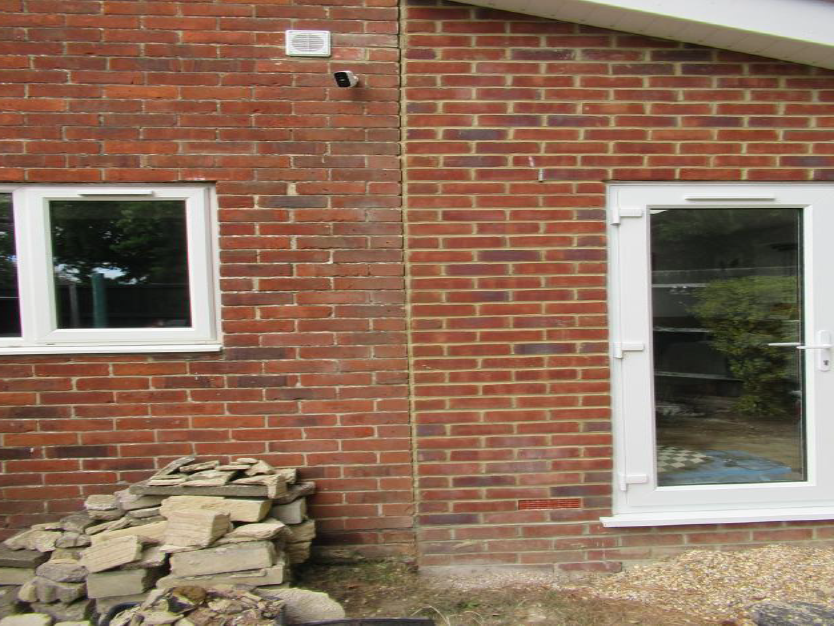
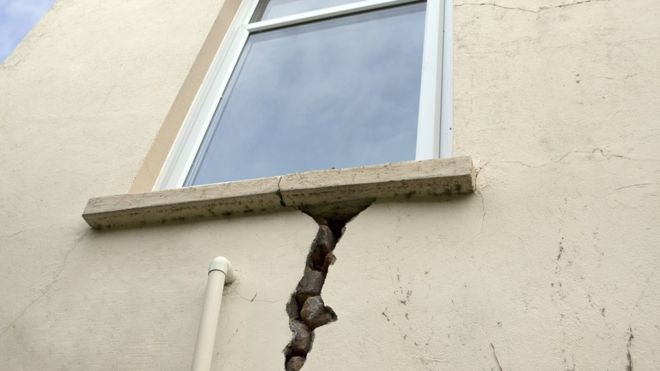
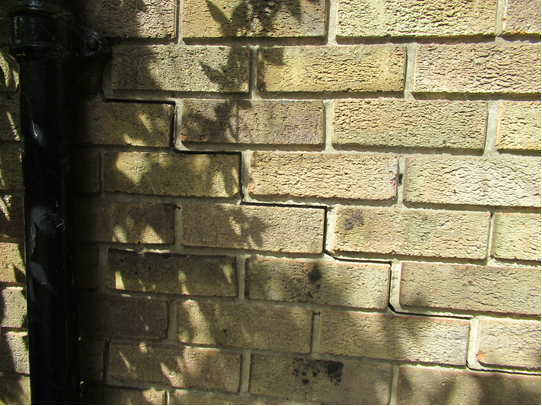
Stepped cracking on the external wall, as below, can indicate settlement or even subsidence, and should be investigated.
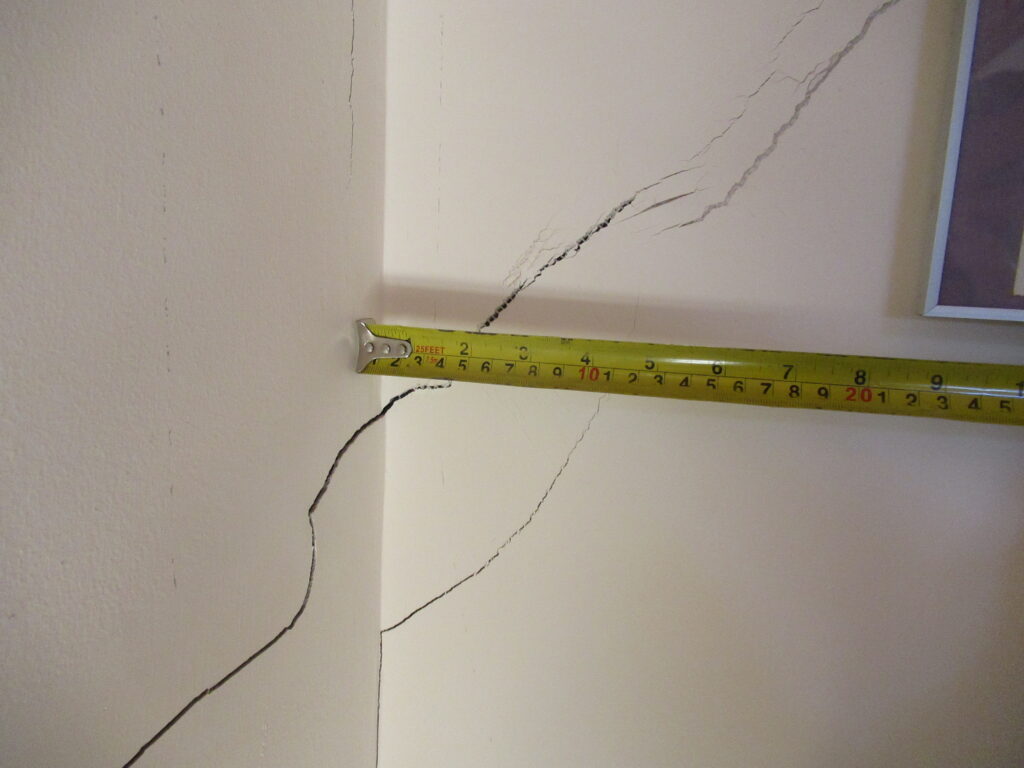
Cracking on the internal wall – depending on the severity, this can be serious, since the inner wall is the load-bearing leaf of the cavity wall, it carries more load, some settlement might be occurring.
Cracking in the ceiling – this could be a concern, especially if the ceiling construction is the older type of timber lath and plaster. In some cases, the ceiling has been re=plastered, this would add weight to the ceiling which it might not be able to adequately support.
Of, course, any cracking should be looked at individually on a case-by-case basis, and a judgement made by a Chartered Civil or Structural Engineer, CEng MICE or IStructE. I would be pleased to have a look for you …